

When you schedule a routine dental cleaning with your Virginia Beach dentist or dental hygienist, you take an important step toward maintaining good oral health. Most dentists will recommend dental cleanings twice a year. However, you may need more frequent cleanings if you have gum disease or other oral health issues.
Your regular dental cleanings in Virginia Beach are essential for your overall health. At these appointments, your dental team can assess your health and remove harmful bacteria from your teeth. Additionally, they may notice if you are developing common dental issues.
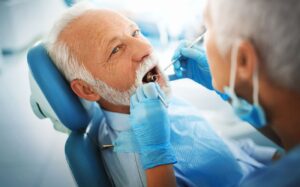
What Is the Process?
The first step in a routine dental cleaning is to examine your teeth and gums. Your dental hygienist will use a small mirror and a scaler to check for any signs of gum disease, tooth decay, or other oral health issues. They may also take X-rays to get a better look at your teeth and jawbone.
Next, your hygienist will use a scaler tool to remove any plaque or tartar from your teeth. Plaque is a sticky film of bacteria that forms on your teeth throughout the day. It hardens into tartar over time, which only a dental professional can remove. Removing plaque and tartar is important because it can cause tooth decay and gum disease without treatment.
After the scaling, your hygienist will use a high-powered electric toothbrush to clean your teeth. They’ll use a gritty toothpaste to scrub away any remaining plaque and tartar. This toothpaste is more abrasive than the toothpaste you use at home, so it’s important not to use it regularly.
Your hygienist will also floss your teeth to remove any plaque or food particles that may be stuck between them. This step removes any remaining plaque and helps remove mild surface stains.
Once your teeth have been thoroughly cleaned, your hygienist may ask you if you want a fluoride treatment. Fluoride is a mineral that helps to strengthen your teeth and prevent tooth decay. The treatment involves applying a fluoride gel or foam to your teeth and allowing it to sit for a few minutes before rinsing it off. A lot of dental insurance plans cover fluoride.
Finally, your dentist will examine your teeth and gums again to ensure everything looks healthy. They may also suggest additional treatments if they notice any issues.
Why Do You Need Dental Cleanings?
First and foremost, cleanings help prevent tooth decay and gum disease. By removing plaque and tartar from your teeth, your dental hygienist is helping keep your mouth healthy and free of harmful bacteria.
Routine cleanings can also help catch oral health problems early on. For example, if your dentist notices a cavity during your cleaning, they can fill it before it becomes a bigger problem. Similarly, if they notice signs of gum disease, they can recommend treatment before it leads to more serious issues like tooth loss.
Finally, routine cleanings keep your teeth looking their best. A clean and healthy mouth can help to boost your confidence and make you feel better about your smile.
What to Expect After Your Cleaning
After your dental cleaning, your mouth might feel extra fresh and clean. Some patients notice their teeth feel smoother where tartar was removed. Your gums might feel slightly tender if there was a lot of plaque buildup, but this should go away within a day.
You can eat and drink normally right after your cleaning. However, you’ll be asked to wait 30 minutes before eating or drinking if you had a fluoride treatment. Many patients find they’re extra motivated to maintain that clean feeling by brushing and flossing more carefully after their appointment.
Special Cleaning Situations
Some patients need special attention during cleanings. If you have braces, your hygienist will use special tools to clean around brackets and wires. People with sensitive teeth can request gentler cleaning methods.
For patients with dental anxiety, many offices offer comfort options like headphones for music or stress balls to squeeze. If you have gum disease, you might need deeper cleanings called scaling and root planing that go below the gumline. Your dental team will always adjust their approach based on your individual needs.
Between Cleaning Care Tips
To keep your teeth their cleanest between visits:
- Brush twice daily with fluoride toothpaste
- Floss at least once a day
- Use mouthwash if recommended by your dentist
- Drink water after meals to rinse away food particles
- Limit sugary snacks and acidic drinks
- Consider chewing sugar-free gum after meals when you can’t brush
Even with perfect home care, professional cleanings are still important because only dental tools can remove hardened tartar. Your hygienist can also spot areas you might be missing and give you personalized brushing and flossing tips during your visit.