

We hear it almost every day. “I’d rather do anything than get a root canal.” It’s one of dentistry’s most feared procedures, and it’s been that way for decades. Movies, TV shows, and word-of-mouth horror stories have given root canals a hard-to-shake reputation.
Modern root canal therapy is dramatically different from what it was 20 or 30 years ago. With the right specialist, technology, and approach, most patients describe the experience as surprisingly comfortable. Many say it was easier than they expected. The bigger problem is actually the waiting.
At Coastal General Dentistry in Virginia Beach, Dr. Craig Luskey is our endodontist. He earned the American Association of Endodontists Award as the top endodontics student at VCU, completed his specialty training at Fort Bragg, and served as Chief Resident during his AEGD residency at Fort Jackson. He limits his practice to endodontics, so he does root canals every day.
Here’s what he wants you to know about the anxiety trap and how to get out of it.
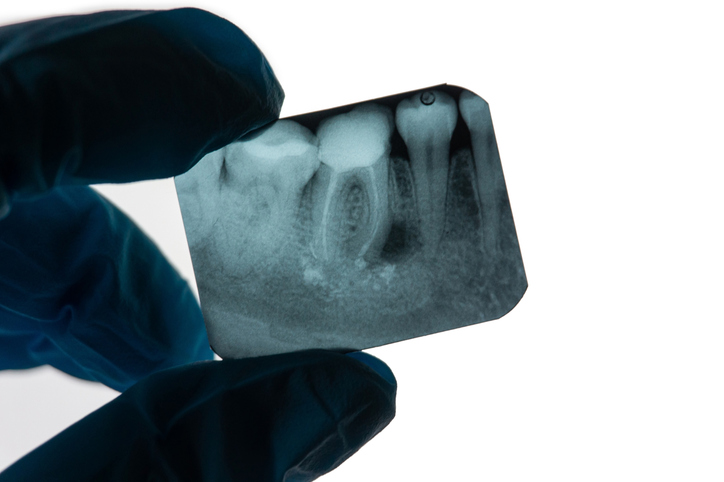
Why Waiting Makes Everything Worse
The most common thing Dr. Luskey hears from patients is some version of “I should have come in sooner.”
Waiting is a trap. A tooth that needs a root canal has an infection inside the pulp. That infection doesn’t stay the same. It grows, spreads, and eventually reaches the bone around the tooth and the surrounding tissue.
What that means for you:
- The pain gets worse. A tooth that’s mildly uncomfortable today can become unbearable within weeks. The infection doesn’t wait for a convenient time.
- The treatment gets more complex. An early root canal is straightforward. A root canal on a tooth with a widespread infection may require additional treatment or a referral for more complex care.
- The tooth may become unsalvageable. If the infection destroys enough of the surrounding bone, the tooth may not be savable. What could have been a root canal becomes an extraction and a replacement.
- Your overall health is at risk. Untreated dental infections can spread beyond the mouth. In rare cases, they become serious medical emergencies.
That’s the trap. Waiting to avoid the procedure creates conditions that make the procedure harder, more expensive, and sometimes impossible.
Why Root Canals Have a Bad Reputation
The fear isn’t irrational. It comes from somewhere. Historically, dentists used less advanced technology and less effective anesthesia. Patients had legitimate reasons to dread them. The procedure took longer, was more uncomfortable, and was less predictable than it is today.
Modern endodontics is different. Rotary instruments, apex locators, digital imaging, and surgical microscopes have transformed the procedure. Anesthesia is more effective, pain management has improved, and specialists who do this every day have refined their techniques so most root canals can be completed in a single visit.
The problem is that the reputation hasn’t caught up to the reality. Patients still hear “root canal” and imagine the worst, even though the experience today is usually nothing like the stories they’ve heard.
How Dr. Luskey Makes It Easier
Here’s what happens when you have a root canal with our endodontist:
- Dr. Luskey explains everything. He walks you through what’s happening, why it’s happening, and what to expect at every step. Patients who know what to expect are less anxious. That’s especially true in endodontics, where the fear of the unknown is often the biggest barrier.
- He uses advanced technology. Digital imaging, magnification, and modern instruments make the procedure more precise and more predictable. That translates to a more comfortable experience.
- He offers sedation options. If you’re nervous, we have nitrous oxide, oral conscious sedation, and IV sedation available. You don’t have to white-knuckle it. Sedation is a safe, effective way to make the visit easier.
- He limits his practice to endodontics. Dr. Luskey doesn’t split his time between general dentistry and root canals. He’s a specialist who does this every day. That level of focus means he’s seen every variation and knows how to handle the unexpected.
- He trains other dentists. Dr. Luskey has delivered continuing education lectures and mentored numerous dentists on endodontics. Teaching requires deep subject knowledge, and that depth translates into better results.
What to Expect During the Procedure
Here’s the step-by-step:
- The Consultation: Dr. Luskey examines the tooth, takes digital X-rays, and confirms the diagnosis. He explains the procedure and answers your questions.
- The Anesthesia: We completely numb the area. Most patients feel nothing during the procedure. If you’re having sedation, we administer it at this point.
- The Procedure: Dr. Luskey creates a small opening in the tooth, removes the infected pulp, cleans and shapes the canals, and seals them. Modern instruments make this faster and more precise than the older methods.
- The Restoration: After the root canal, we restore the tooth. In many cases, that means a crown. Your Virginia Beach dentist will handle that step.
- The Follow-up: We schedule a follow-up visit to ensure the tooth is healing properly and the restoration fits correctly.
We can complete most root canals in one or two visits. Recovery is usually quick, and most patients are back to normal activities within a day or two.
Why Dr. Luskey’s Background Matters
Many dentists do root canals, but not many have Dr. Luskey’s background. He earned his D.D.S. at VCU School of Dentistry, where he received the American Association of Endodontists Award for being the top student in endodontics. He was commissioned into the U.S. Army, completed training in San Antonio, and served at Fort Jackson, where he completed his AEGD residency and was selected as Chief Resident. Dr. Luskey then completed his endodontic specialty training at Fort Bragg, one of the nation’s top programs.
Since then, he’s provided care at Fort Bragg, Fort Eustis, and civilian offices across Virginia Beach. He’s delivered continuing education lectures and mentored other dentists.
That level of training and experience is something most patients never think to ask about. It’s the difference between a routine procedure and one performed by a specialist who’s dedicated his career to this exact work.
Serving Virginia Beach and Hampton Roads
Coastal General Dentistry is at 919 First Colonial Rd. Suite B in Virginia Beach, VA. We serve patients from Great Neck, Kings Grant, Lynnhaven, Cape Story by the Sea, Croatan Beach, Shadowlawn, Thalia, Ocean Park, Chick’s Beach, and across Hampton Roads.
If you’ve been putting off a root canal because of fear, we’d love to talk with you. Dr. Luskey will walk you through the process, answer your questions, and explain why waiting makes things worse.
Call our new patient line at 757-216-9914 or request an appointment online. You don’t have to dread this because we’ll show you what modern endodontics actually feels like.