

Tooth decay is a common dental problem that affects the tooth structure. Dental infections begin when harmful bacteria feed on sugars and starches in the mouth. These bacteria release digestive acids that break down the outer layer of tooth enamel. Digestive acids break down tooth enamel and create holes, or pits, called cavities. At Coastal General Dentistry, we can fill your tooth cavity in Virginia Beach.
Treating cavities and other signs of dental infection is a part of general dentistry in Virginia Beach, VA. General dentistry can help prevent problems from worsening over time, including tooth infections. You can lose permanent teeth if a dental infection spreads throughout your mouth. Professional dental treatments from Dr. Sinclair and Dr. Reichley may prevent tooth loss.
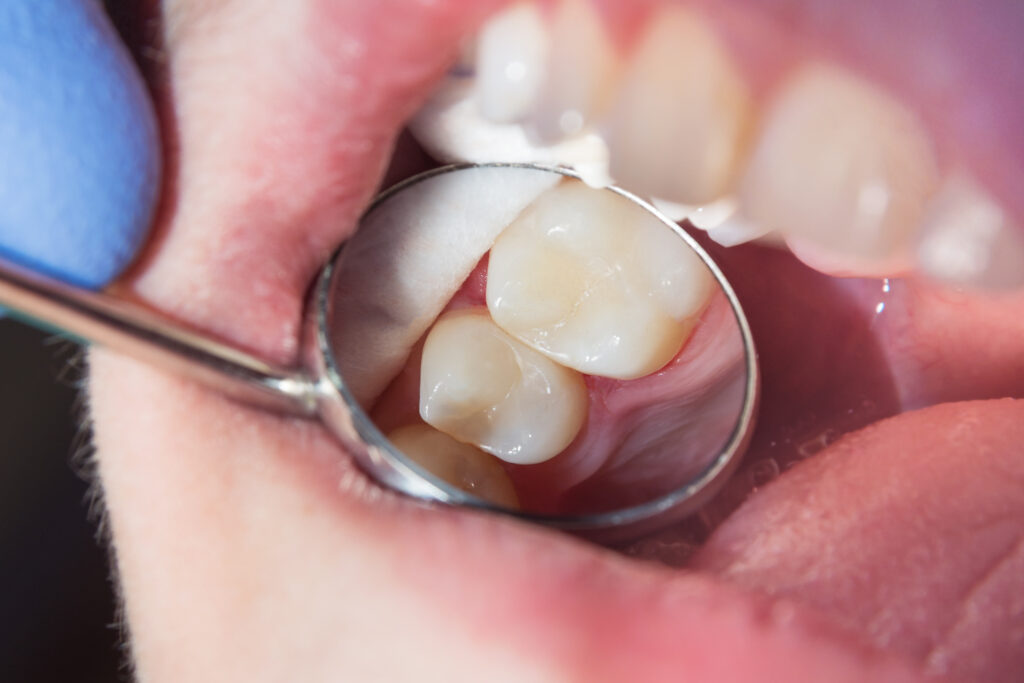
Signs of Tooth Infection
Knowing what to look for if you develop a dental infection can help you get the care you need. Aside from dental cavities, you can experience these symptoms if you have tooth decay:
- Chronic toothaches
- A bitter taste in your mouth
- Fever
- Pain when biting and chewing
- Change in tooth color (yellow or brown spots)
- Bad breath
- Tooth sensitivity to hot and cold foods and drinks
Contact our office as soon as you notice a change in the comfort or appearance of your teeth. Early, preventative care can help preserve your natural teeth and prevent the spread of infection. Treatments like routine cleanings can prevent the need for more costly or invasive procedures.
Treating a Tooth Cavity in Virginia Beach, VA
Before recommending dental treatment, we’ll thoroughly examine your teeth and gums. We’ll take digital X-rays to find signs of infection. While cavities are among the most visible signs of dental infection, we cannot see other signs with a quick exam. X-rays help us determine the best treatment for you.
We’ll also consider any current medications or medications before treatment. They can impact how you react to sedation, which we can use for tooth extractions.
Root Canals and Fillings
A root canal is a common treatment for deep dental cavities that extend into the tooth’s inner chamber. Dental pulp, or the nerves and blood vessels that keep teeth alive, lies in the tooth chamber. As decay reaches the inside of the tooth, it infects the pulp.
During root canal treatment, we remove infected dental pulp from the tooth. Then, we clean and disinfect the tooth chamber. Finally, we seal the tooth with a tooth-colored filling. We also recommend a dental crown for large fillings or weakened teeth. A dental crown, or cap, fully covers and protects the treated tooth.
Dental fillings can complete root canal treatment or fill smaller cavities. While past fillings used metal, we prefer composite fillings. These restorations, known as white fillings, blend in with your natural teeth.
Tooth Removal
If your tooth is too weakened or damaged for a filling, we must remove it to prevent damage to other teeth. Tooth extraction can remove a tooth that is too decayed to support your natural tooth structure.
While many patients think tooth removal is painful, we’ll numb your mouth before treatment. Depending on the type of extraction, we may also recommend sedation. Once you heal after the tooth removal, we recommend a restorative treatment, such as a dental implant, to replace your tooth.
Patient Review
Tooth Cavity FAQs
Do you want to know more about cavities and tooth decay? Read answers to these commonly asked questions:
What does a decayed tooth look like?
Sometimes, a decayed tooth appears different from natural teeth. This is especially true in the later stages of tooth infection. As decay progresses, holes or cavities can form, exposing the tooth’s inner layers.
Parts of the tooth can appear yellow or brown as bacteria damage the tooth enamel. Additionally, as the tooth weakens, it becomes more prone to injury, and parts of it may break.
Can you reverse tooth decay?
Yes, you can reverse tooth decay in its early stages. As long as the infection does not severely damage the tooth enamel, professional care can help stop decay. A thorough dental cleaning and a good at-home oral hygiene routine can halt the spread of infection.
Can your tooth heal a cavity by itself?
Unlike other bones of the body, teeth cannot heal themselves. You’ll require professional treatment to treat tooth cavities. Left untreated, cavities can destroy your tooth structure, and you’ll need a tooth extraction. Please do not wait for a tooth to heal a cavity on its own.
How long can you leave a cavity untreated?
Small cavities can take several months to grow larger and pose a significant risk to your dental health. However, we recommend you visit our dentists in Virginia Beach to treat your cavity right away. As cavities worsen, you’re at an increased risk of requiring tooth removal for a dead tooth. In addition, you can experience chronic pain if your dental infection is left untreated.
Can tooth decay create a tooth abscess?
Yes, the same harmful bacteria that cause cavities can also cause a dental abscess. If you have a dental injury or cavity, your tooth infection can travel through your tooth and to the side or the tip of your tooth’s root. This infection is called a dental abscess, a highly painful pocket of pus that creates inflammation.
What is a dead tooth?
A dead tooth occurs when the blood vessels, cells, and nerves within the tooth die. This means the tooth no longer receives blood flow. We can save a dead tooth with a root canal. However, if the tooth is too damaged for a root canal, we must remove it.
Treat Dental Infections Today
Fill a tooth cavity in Virginia Beach, VA, to save your natural tooth. Call us at 757-216-9914 for comfortable cavity treatment. You can also request an appointment online anytime.
Please let us know if you have questions or concerns about tooth decay. We’re here to customize treatment to treat your dental symptoms.